What Happens on the Phone Before a Bom Retiro Drain Crew Arrives
When you call a desentupidora Bom Retiro São Paulo SP, the first sixty seconds are not about price. A dispatcher asks three quick questions — where is the water, what does it smell like, and which fixture is backing up — before quoting anything. Those answers decide whether a single technician with a manual snake rolls out or a full hydro-jetting truck is dispatched. This is the intake logic that turns a panicked call into the right crew and the right equipment.
Stage 1: Locating the Water Before Anything Else
The first question is always: where is the water right now? A backed-up floor drain in a basement is a different emergency from a slow shower drain on the third floor. The dispatcher listens for words like “rising,” “overflowing,” or “just slow” because they signal how much time the crew has before damage spreads to walls, stored goods, or neighboring units.
In Bom Retiro, many buildings sit above shared garages or commercial storage, so a ground-floor backup can threaten inventory before it reaches a living space. The dispatcher notes the floor level and asks whether water has already crossed a threshold. That single detail can move a job from routine to priority dispatch.
Stage 2: Reading the Smell and the Fixture
Smell is the second filter. A rotten-egg odor that appears only when a tap runs points to a dry trap or a venting issue. A constant sewage smell near a floor drain usually means the blockage sits in the main line, not in a branch. The dispatcher uses this to decide whether the job needs a drain camera or a simple rodding.
Fixture type matters just as much. A toilet that gurgles when the sink drains suggests a shared vent or a main-line restriction. A single slow sink with no smell is often a local clog. When you call a desentupidora Bom Retiro, describing the fixture accurately saves a return visit.
Questions that change the dispatch
- Is the water rising, standing, or draining slowly?
- Does the smell appear only when a specific fixture is used?
- Is the affected fixture a toilet, floor drain, sink, or laundry line?
- Has water reached any neighboring unit or common area?
- Has anyone already tried a plunger or chemical product?
Stage 3: Matching Equipment to the Answer
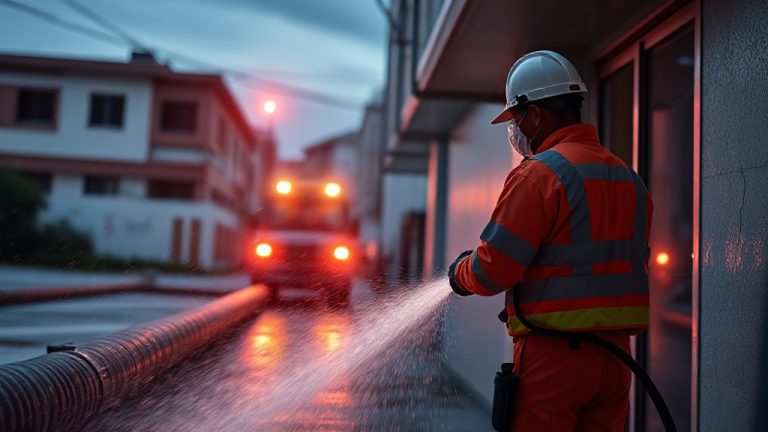
Once the dispatcher has the water level, smell, and fixture, the equipment choice becomes clear. A local clog in a kitchen line usually needs a hand snake or a small electric auger. A main-line backup with sewage odor calls for a hydro-jetting truck, which uses high-pressure water to scour grease and scale from the pipe walls rather than just punching a hole through the clog.
For properties with septic systems or old clay pipes, the dispatcher may send a crew with a camera first. That prevents a jetting nozzle from damaging a fragile line. The intake answers are what tell the dispatcher whether to send a van, a truck, or a camera-equipped team.
| Caller’s answer | Likely crew and equipment |
|---|---|
| Slow single sink, no smell | Technician with hand or electric snake |
| Toilet gurgling, sewage odor | Main-line crew with auger and camera |
| Multiple fixtures backing up | Hydro-jetting truck and camera inspection |
| Water reaching common area | Priority crew with extraction and containment gear |
Stage 4: Safety, Access, and Building Rules
Before the call ends, the dispatcher asks about access. In Bom Retiro, many buildings have controlled lobbies, service elevators, or narrow rear entrances. A crew that arrives without knowing the access route loses time. The dispatcher also asks whether the building has a registered plumber or a condominium manager who must authorize work in common areas.
Safety questions come next. If the caller mentions gas smell, electrical panels near water, or a flooded elevator pit, the dispatcher flags the job for a crew trained in emergency isolation. A flooded area near electrical equipment is a stop-work condition, and the crew will secure power before touching a drain.
This is also where preventive maintenance gets scheduled. A caller who reports a recurring slow drain may be offered a camera inspection and hydro-jetting on a planned basis, which is cheaper than an emergency call at night. A desentupidora em Bom Retiro São Paulo SP can log the building’s line layout so future calls start with history instead of guesswork.
Stage 5: What the Dispatcher Tells You Before Hang-Up
The last stage is a short briefing. The dispatcher confirms the address, the access point, and an arrival window. They also tell the caller what to do while waiting: stop using water on the affected line, avoid chemical drain cleaners that can harm pipes and technicians, and move valuables away from the affected area.
Callers sometimes ask why the price is not final on the phone. The honest answer is that a clog behind a wall or under a slab costs more to reach than one at a floor drain. The dispatcher gives a range based on the intake answers, and the technician confirms after seeing the line. No reputable crew quotes a fixed price before inspecting the access point.
After the job, the dispatcher logs what was found — grease buildup, root intrusion, collapsed pipe, or a simple hair clog — so the next call in that building starts with data. That record is why the intake questions matter beyond a single visit.
Frequently Asked Questions
How long does a drain crew take to arrive in Bom Retiro?
Arrival time depends on traffic and crew availability, but emergency services typically confirm a window during the call. The dispatcher prioritizes jobs where water is actively rising or reaching common areas.
Can I clear a clog myself before the crew arrives?
A plunger is safe for a single fixture. Avoid chemical drain cleaners, especially in older pipes, because they can damage the line and create a hazard for the technician. Stop using water on the affected line until the crew inspects it.
Why does the dispatcher ask about smell?
Smell separates a local clog from a main-line problem. Sewage odor near a floor drain usually means the blockage is in the building’s main line, which requires different equipment than a sink clog.
Do I need to be present for the service?
For residential calls, yes, unless a building manager provides access. For commercial or condominium jobs, the dispatcher confirms who can authorize entry and sign off on the work.
About the Author