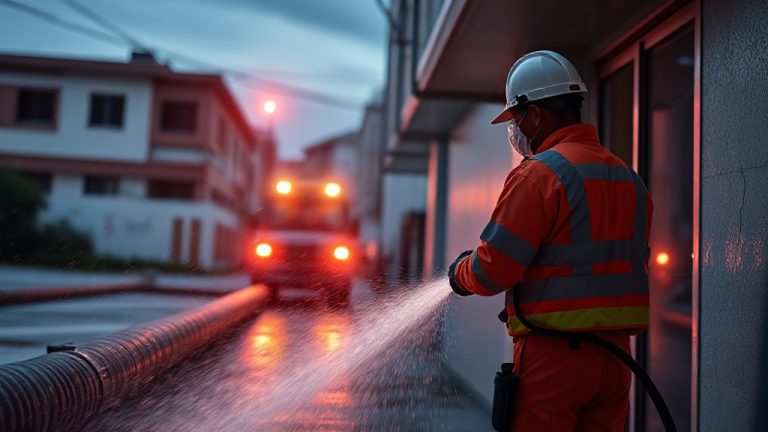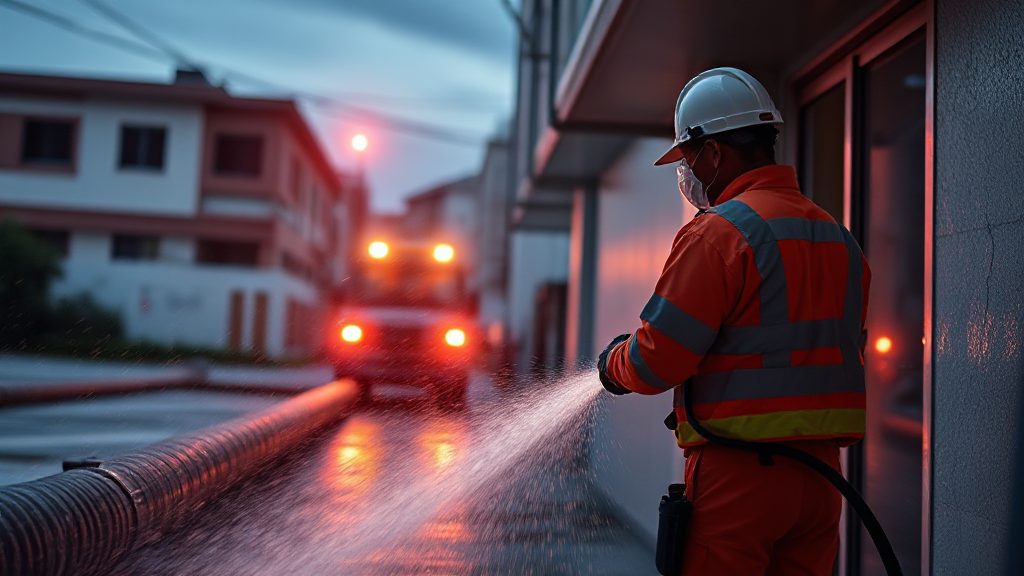
Why Response Time Varies: Getting a Desentupidora to Your Ilha Comprida Door
When you call a desentupidora em Cananéia SP, the time it takes for a technician to reach your address on Ilha Comprida is not a fixed number. It is the result of several independent variables working at once. The first and most immediate of these is the bridge.
Ilha Comprida is an island municipality connected to the mainland by a single bridge. Every vehicle entering or leaving the island uses that crossing. That single point of access shapes how any service provider plans a route, and it explains why two calls placed at different times of day can produce very different arrival windows.
Factor One: Bridge Traffic and Seasonal Congestion
The bridge is not just a road; it is a bottleneck. During peak summer weekends, holidays, and long weekends, traffic on and around the crossing can slow dramatically. A technician who might otherwise reach you in a short window can find the route extended by factors entirely outside anyone’s control.
Seasonality matters here more than in many mainland cities. Ilha Comprida receives a significant influx of visitors during the warmer months. That means the same route that is quiet on a Tuesday morning in May can be congested on a Saturday afternoon in January. A reliable desentupidora Cananéia operator accounts for this when estimating arrival, but no one can eliminate the bridge from the equation.
What the Caller Can Do About Bridge Timing
If your problem is urgent but not an emergency, asking about current bridge conditions when you call can help set realistic expectations. If you are calling during a known peak period, expect that the provider will factor crossing time into the schedule. This is not a delay tactic; it is operational reality.
Factor Two: Job Queue and Dispatch Order
Response time also depends on where your call falls in the provider’s queue. A desentupidora serving Cananéia and the surrounding area handles multiple calls at once. Jobs are typically triaged by severity: a sewage backup affecting an entire building may take priority over a slow-draining sink.
This means that even if a team is already on the island, they may be committed to another address. Dispatch order is not arbitrary; it reflects a judgment about risk and impact. Understanding this helps callers interpret why a quoted window may shift.
How Triage Affects Your Wait
When you describe your situation, be specific. A blocked toilet that is overflowing is different from a floor drain that drains slowly. The more accurately you describe the symptoms, the more accurately the dispatcher can place your job in the queue. Vague descriptions can lead to misprioritization in either direction.
Factor Three: Access at the Destination
Even after a technician crosses the bridge and arrives in your neighborhood, access to the actual problem point matters. Is the cleanout accessible? Is there a gate code? Is the unit on an upper floor with no service elevator? These details affect how quickly the work can begin once the vehicle is parked.
On Ilha Comprida, some properties are seasonal or have irregular occupancy, which can complicate access. A desentupidora Cananéia SP team that knows the area will ask about access before dispatch, but the caller’s preparation still saves time.
Preparing Your Property for Arrival
- Clear the area around the cleanout or drain.
- Have gate codes or keys ready.
- Note any pets that need to be secured.
- Identify the exact location of the blockage.
Factor Four: Equipment and Job Complexity
Not every blockage is the same. A grease clog in a kitchen line may be resolved with a hand auger, while a root intrusion in a main sewer line may require hydrojetting equipment. The equipment needed affects how long the job takes once started, and in some cases, which team is dispatched.
If the first technician on site determines that a different machine is required, a second vehicle may need to make the crossing. This is another reason response time is not a single number: the job itself can change the plan.
Common Equipment Categories
| Equipment | Typical Use |
|---|---|
| Hand auger | Small, accessible clogs in sinks or toilets |
| Electric drain snake | Longer runs, moderate blockages |
| Hydrojetting unit | Grease, roots, and heavy buildup in main lines |
| Vacuum truck | Fossa cleaning and large-volume removal |
A Short Scenario Walkthrough
Consider a call placed on a Friday afternoon in high season. The caller reports a backed-up floor drain in a ground-floor unit. The dispatcher notes the address on Ilha Comprida and checks the current queue. Two jobs are ahead: one emergency at a commercial property and one scheduled maintenance. The technician assigned to the maintenance job is redirected to the emergency, and the caller’s job is placed next.
The technician crosses the bridge, encountering moderate seasonal traffic. On arrival, the cleanout is behind a parked car, adding a few minutes of repositioning. The blockage turns out to be grease and paper, resolved with an electric snake. Total elapsed time from call to resolution is longer than the caller hoped but shorter than it would have been if the job had been misdescribed as a simple sink clog.
This scenario illustrates the core point: response time is an outcome, not a promise. The variables are bridge traffic, queue position, access, and job complexity. A provider can manage these variables, but cannot remove them.
What the Caller Can Control
You cannot control the bridge or the queue, but you can control the quality of the information you provide. Describe the problem precisely. Confirm access details. Ask what the current estimated window is based on. And if the situation changes, call back rather than waiting.
Choosing a provider that regularly serves the Cananéia area also helps, because local familiarity with the bridge and island access points reduces uncertainty. The rest is a matter of honest expectation-setting on both sides.
Frequently Asked Questions
Does the bridge always add time to a service call?
Not always, but it is always a factor. Off-peak crossings may add very little, while peak periods can add significantly. The provider should account for it in any estimate.
Can I request a specific arrival time?
You can request a window, but the provider can only confirm it based on current queue and conditions. Emergency calls typically take precedence over scheduled requests.
What should I have ready when the technician arrives?
Clear access to the cleanout or drain, any gate codes, and a brief description of when the problem started and what you have already tried. This reduces on-site diagnosis time.
About the Author